

What Makes Specialty Coffee Special?
Have you ever tasted a cup of coffee with clear notes of dark chocolate, citrus, or honey — and wondered why your everyday coffee never tastes like that? The difference isn’t magic. It’s the result of careful work at every stage, from the farm to your cup.
That’s what specialty coffee is: coffee where nothing is left to chance. And once you understand what separates it from the rest, you’ll taste the difference in every sip.
What Is Specialty Coffee? A Simple Definition
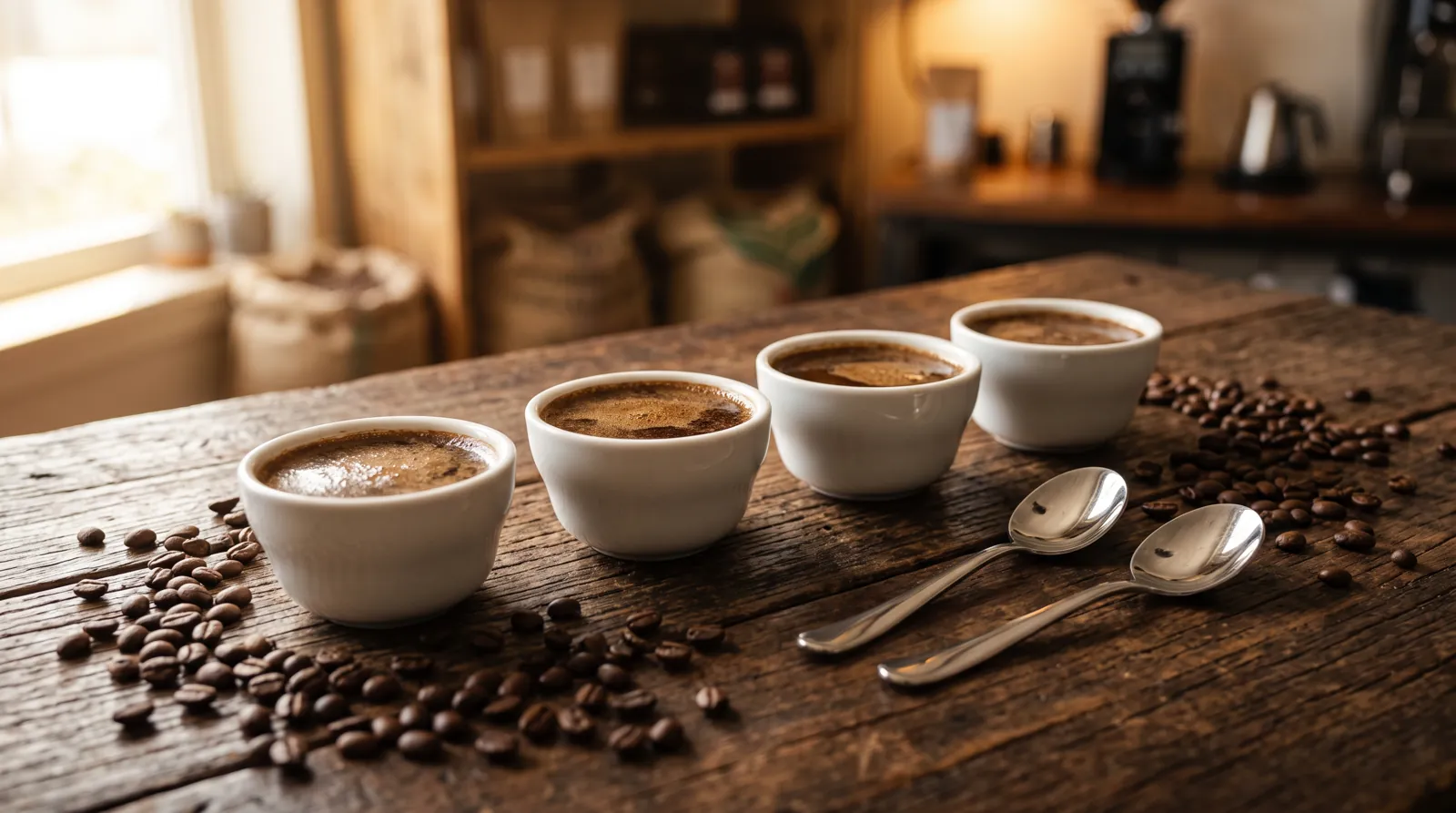
Specialty coffee is any coffee evaluated by certified tasters and scored 80 points or higher on the international 100-point sensory scale established by the Specialty Coffee Association (SCA).
That score reflects:
- Clean cup — no off-flavors or defects
- Natural sweetness — not added, inherent in the bean
- Balanced acidity — brightness like ripe fruit, not sourness
- Pleasant body — how the coffee feels in your mouth
- Defined aftertaste — a finish that lingers in a good way
In everyday terms: specialty coffee tastes great from the first sip to the last, without aggressive bitterness, and with a clarity of flavor you can actually describe — chocolate, berry, caramel, floral.
At Don Gildo, every coffee we source is SCA-graded Colombian specialty coffee, so every bag has passed a rigorous professional evaluation before it reaches you.
How Is Specialty Coffee Different from Commercial Coffee?
Commercial coffee blends beans of various qualities and origins with minimal traceability. Specialty coffee controls every single step. Here are the five key differences:
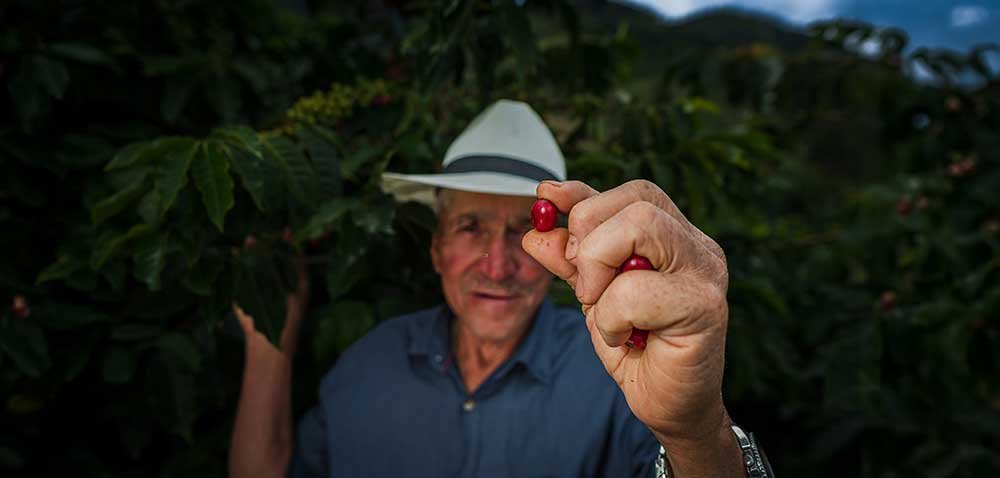
1. Hand-Picked Cherry Selection
- Only ripe cherries are selected by hand
- Green, overripe, or damaged fruit is discarded
This single step eliminates most of the off-flavors found in commercial coffee. It’s also one of the most labor-intensive — a picker might sort through hundreds of cherries to fill a single basket with only the reddest, ripest ones.
2. Controlled Processing
After picking, the way the fruit is removed from the bean shapes the coffee’s flavor profile:
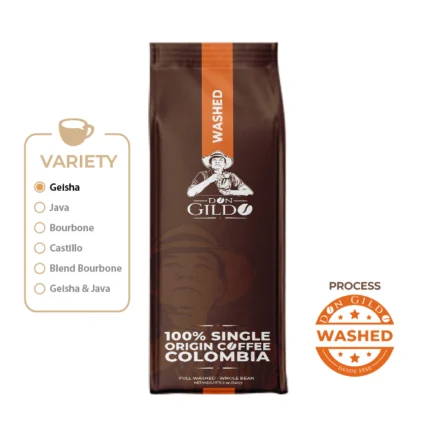
- Washed: The fruit is fully removed before drying. Result: a clean, crisp cup with bright acidity and delicate sweetness. Don Gildo’s Bourbons Blend – Washed is a great example.
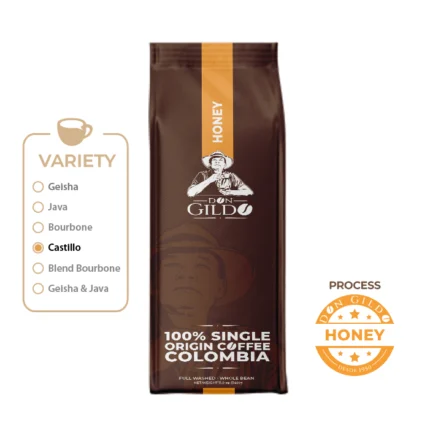
- Honey: Part of the fruit pulp stays on during drying. Result: a sweet, velvety cup with caramel and brown sugar notes. Try Castillo – Honey Process.
- Natural: The whole cherry dries intact around the bean. Result: an intense, fruity cup bursting with berry and stone fruit. Java – Natural Process captures this beautifully.
Want to go deeper? Read our guide to the 3 coffee processing methods for a full breakdown.
3. Careful Drying and Storage
- Beans are dried slowly and evenly — rushed drying damages the cell structure and creates flat, papery flavors
- Humidity is monitored throughout storage so the coffee doesn’t develop musty or fermented off-notes before roasting
This step is invisible to most consumers, but it’s where a lot of commercial coffee loses quality.
4. Full Traceability
When you buy specialty coffee, you’re not buying a generic blend. You’re buying a specific story:
- Region and altitude: where the coffee grew and the climate that shaped it
- Variety: the genetic type of the coffee plant (Geisha, Java, Bourbon, Castillo — each with a distinct flavor fingerprint)
- Process: how the cherry was turned into a green bean
- Whogrew it: the people behind your cup
Every Don Gildo coffee comes from El Águila, Valle del Cauca, Colombia — a region between 1,500 and 1,800 meters above sea level, ideal for growing complex, sweet, aromatic coffees.
5. Intentional Roasting
Commercial coffee is often roasted very dark to mask defects and standardize flavor. Specialty coffee roasting works differently:
- The roast profile is designed to highlight what’s already in the bean — not cover it up
- Notes of cocoa, fruit, flowers, honey, and panela come through naturally
- Sweetness is preserved, and acidity stays bright and pleasant rather than harsh
Roasted at origin in Colombia, Don Gildo coffees are profiled specifically for each variety and process, so the character of each bean comes through in your cup.

Specialty Coffee vs. Single Origin vs. Third Wave — What’s the Difference?
These terms are related but not the same:
- Specialty coffee is a quality grade (80+ SCA points). It can be a blend or a single origin.
- Single origin means all the coffee comes from one specific place — a country, region, or farm. It’s about traceability, not necessarily quality (though most specialty coffees are also single origin).
- Third wave coffee is a movement that treats coffee like wine or craft beer — focusing on origin, process, and transparency. Specialty coffee is the product; third wave is the philosophy.
Don Gildo coffees are all three: specialty-graded, single-origin Colombian coffee from a region we know intimately.
Frequently Asked Questions
What does SCA mean on a coffee bag?
SCA stands for the Specialty Coffee Association, the global authority on coffee quality. When a coffee is labeled “SCA graded,” it means certified tasters evaluated it on aroma, flavor, acidity, body, balance, and aftertaste and scored it 80 or higher out of 100.
Is specialty coffee always more acidic?
No. “Acidity” in specialty coffee refers to brightness — a pleasant, juicy quality like biting into a ripe cherry or orange. It’s not the harsh, stomach-burning sensation of over-extracted or stale coffee. Many specialty coffees are actually smoother and sweeter than dark commercial roasts.
Is specialty coffee stronger than regular coffee?
“Strength” depends on the brew ratio (how much coffee per water), not the beans. Specialty coffee often tastes more intense because the flavors are clearer and more defined, but it isn’t inherently higher in caffeine.
Do I need expensive equipment to enjoy specialty coffee?
Not at all. A simple pour-over dripper, a kitchen scale, a decent hand grinder, and good water will get you 90% of the way there. The quality of the bean does most of the work — you just need to not get in its way.
Why is specialty coffee more expensive?
Every step costs more: hand-picking (vs. machine harvesting), careful processing (vs. bulk), individual lot traceability (vs. anonymous blends), and quality-focused roasting (vs. volume roasting). The price reflects the real cost of producing a genuinely excellent coffee — and it goes back to the farmers who grew it.
Which Colombian coffee should I try first?
If you’re new to specialty coffee, start with a washed coffee like Bourbons Blend – Washed — it’s clean, approachable, and reveals what Colombian coffee does best. If you already know you like bold, intense flavors, go straight for Java – Natural Process.
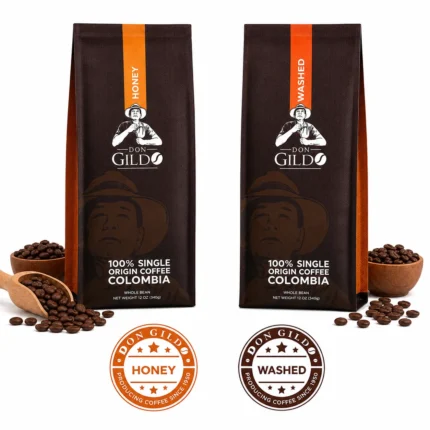
Not sure? Our Castillo Honey & Bourbons Washed Bundle lets you try two different processes side by side.
Ready to Taste the Difference?
Don Gildo sources exclusively SCA-graded Colombian specialty coffee — hand-picked, farm-verified, roasted at origin in Colombia, and shipped to your door across the USA.
Explore our single origin collection →
Not sure which bag to choose? Read our guide to the best Colombian coffee beans to buy online, where we compare every Don Gildo coffee by flavor and process.
Taste the difference
Colombian specialty coffees, SCA-graded and roasted at origin in Colombia.