



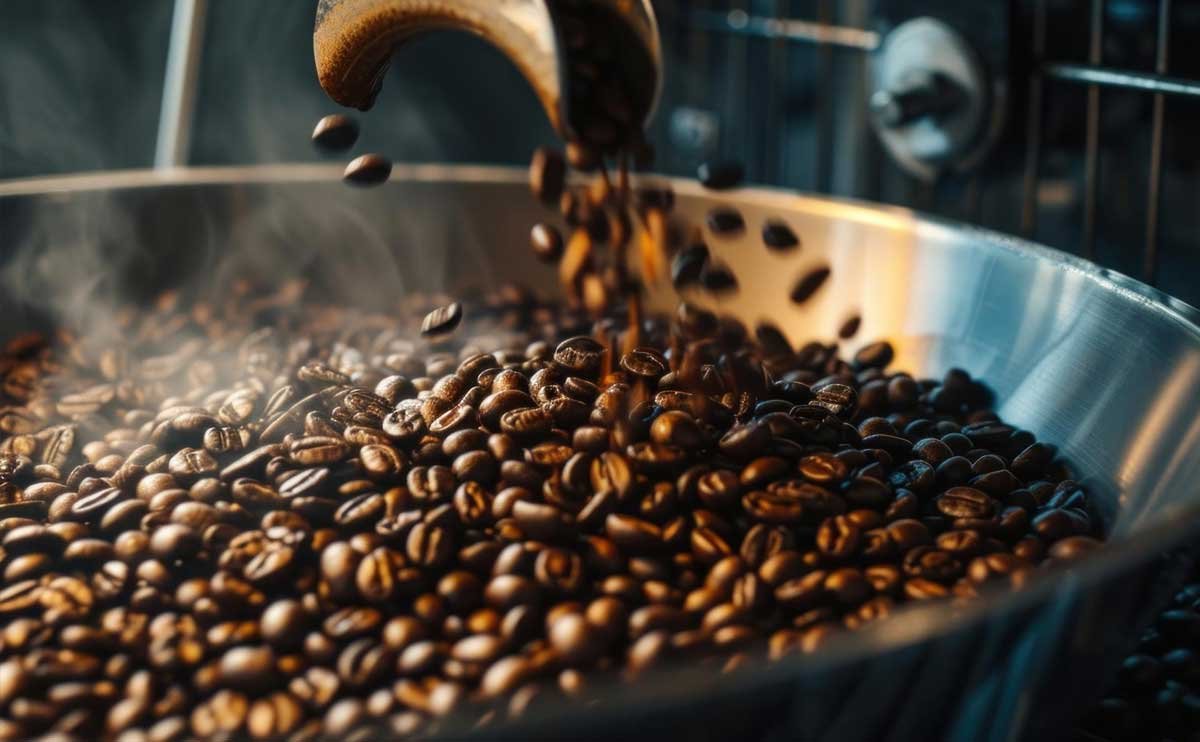

Three cups, one origin. One wakes you up like a clear morning; one comforts like a golden afternoon; the third invites long conversations.
You can't see the process, but you can taste it. It's the mark a producer chooses to leave on their coffee—how they tell their story.
What does “process” mean in coffee?
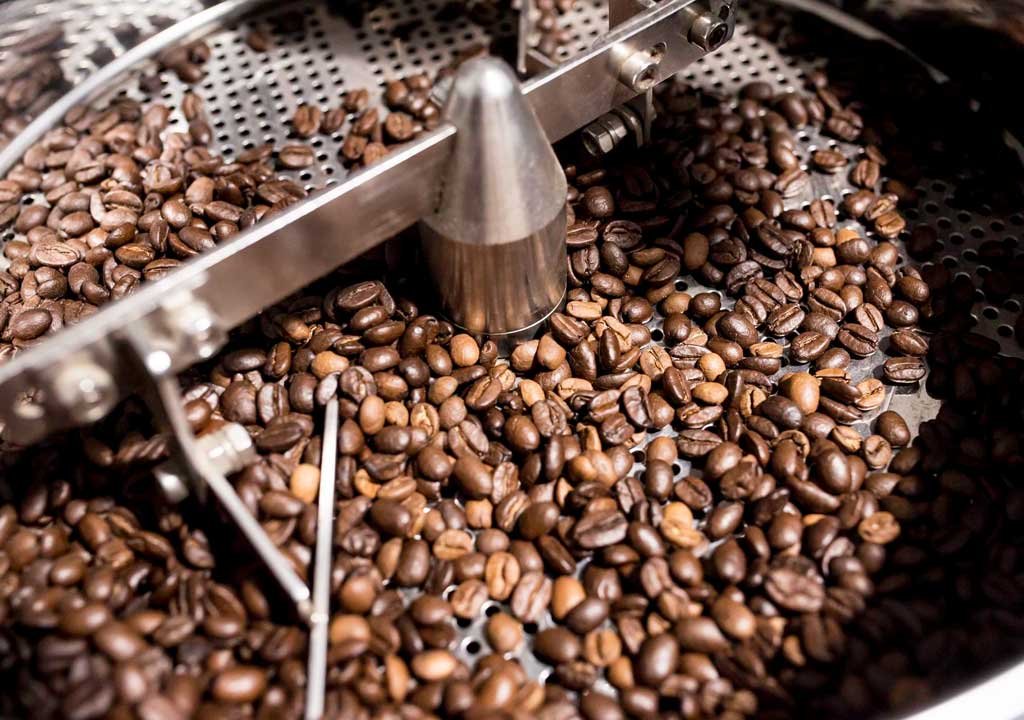
The process is what happens between harvest and drying—the moment coffee stops being fruit on a branch and becomes a seed ready to roast.
It decides how much contact the seed keeps with the sweet fruit, and how sweetness, acidity, and body show up in the cup.
A simple way to picture it:
- More contact with the fruit: more sweetness, more fruit notes, more intensity.
- Less contact with the fruit: cleaner, clearer, more defined cups.
The washed process: clarity and precision
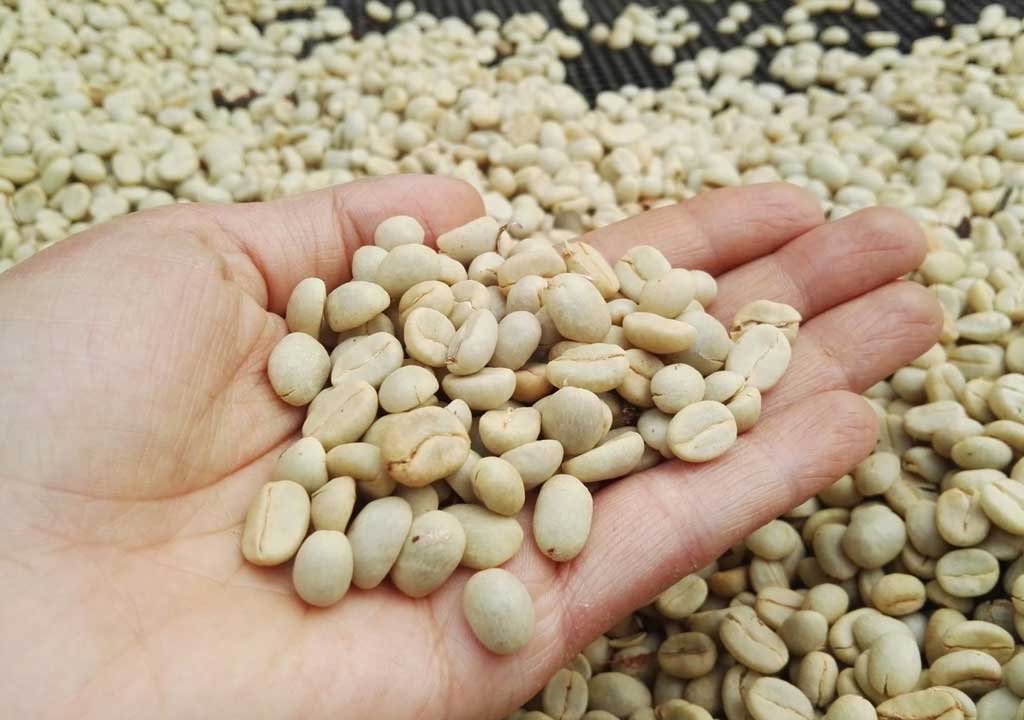
In washed coffee, the pulp and mucilage are removed with water before drying.
How it tastes:
- Clean and crisp.
- Defined acidity—often citrus or floral.
- Medium body; light but precise.
Who it's for: people who love refreshing, bright, ultra-clean cups and enjoy tasting differences between origins and varieties.
Think of washed coffee as morning light: everything looks sharper.
The honey process: gentle sweetness and a velvety texture
In honey process, coffee dries with part of the mucilage still attached—like a natural sweetness surrounding the seed (no real honey is involved).
How it tastes:
- Sweet and velvety.
- Notes that can resemble panela, caramel, and yellow fruits.
- Medium-to-full body; an enveloping texture.
Who it's for: those who want a rounded, comforting daily cup.
The natural process: ripe fruit and bold character
In natural process, coffee dries inside the whole cherry, staying close to the fruit for longer.
How it tastes:
- Highly fruit-forward and expressive.
- Red fruit, blackberry, plum, grape.
- Juicy (sometimes winey) acidity; an immersive feel.
Who it's for: adventurous palates who love intense, memorable cups.
Choosing a process is choosing a mood
- Washed: morning clarity and focus.
- Honey: golden-hour comfort and sweetness.
- Natural: after-dinner conversation—fruit, intensity, character.
There's no “best” process—just what matches your moment.
How to choose by brew method
- V60/drip: washed (clean) or honey (balanced sweetness + body).
- French press: honey for round body; natural for a dessert-like, fruit-forward cup.
- Moka pot/home espresso: honey or natural for richer sweetness; washed will taste brighter and sharper.
Quick adjustments if the cup feels off
- Natural too intense? Try 90–92 °C water or move from 1:16 to 1:17.
- Washed too sharp? Try 94–96 °C water or grind slightly finer to bring out sweetness.
- Honey too heavy? Grind slightly coarser or use a gentler pour/agitation to balance extraction.
Three rules that support any process
- Use filtered water.
- Respect the roast date: filter often shines 7–30 days post-roast; espresso often 10–40 days (depending on profile).
- Match grind to method: fine for espresso/moka, medium for pour-over, coarse for press/cold brew.
Closing: the producer's signature meets your home ritual
The process is the producer's signature. Your brew method is your signature at home.
When they meet, the cup tells a complete story—of the farm, the drying under sun, and your own pause as you brew.
Explore the same origin through different processes and choose what resonates with your day. At Don Gildo, every process is an invitation to a soulful pause.