
Coffee Grinding Guide: 3 Easy Grind Sizes for Better Specialty Coffee

This coffee grinding guide reveals the secret most people overlook. A bean can travel thousands of miles, be cared for over months, and roasted with precision… and still get lost in seconds.
The difference isn't always origin or roast — often, it's grind size.
What Your Coffee Grinding Guide Should Start With
Grinding is the moment whole beans become ready for extraction. It determines how quickly the water moves between coffee particles—and how much flavor it carries with it.
Too fine, and water stays trapped too long. Too coarse, and it rushes through without bringing much back.
Think of grind size as a gate:
- More closed: more contact, more extraction.
- More open: less contact, less extraction.
According to the Specialty Coffee Association (SCA), grind consistency is one of the key variables in achieving a high-quality extraction.
Grind size by brew method
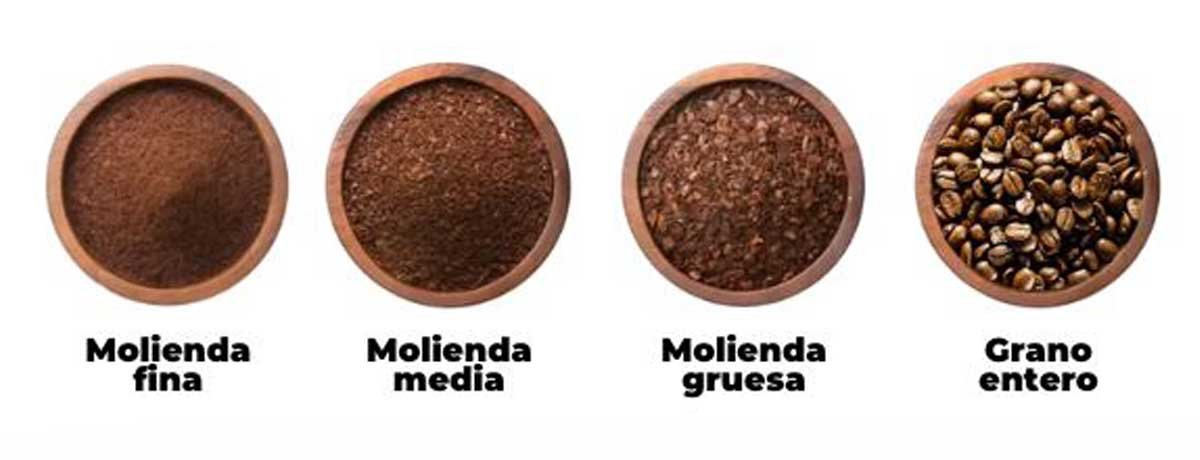
Espresso and moka pot: fine
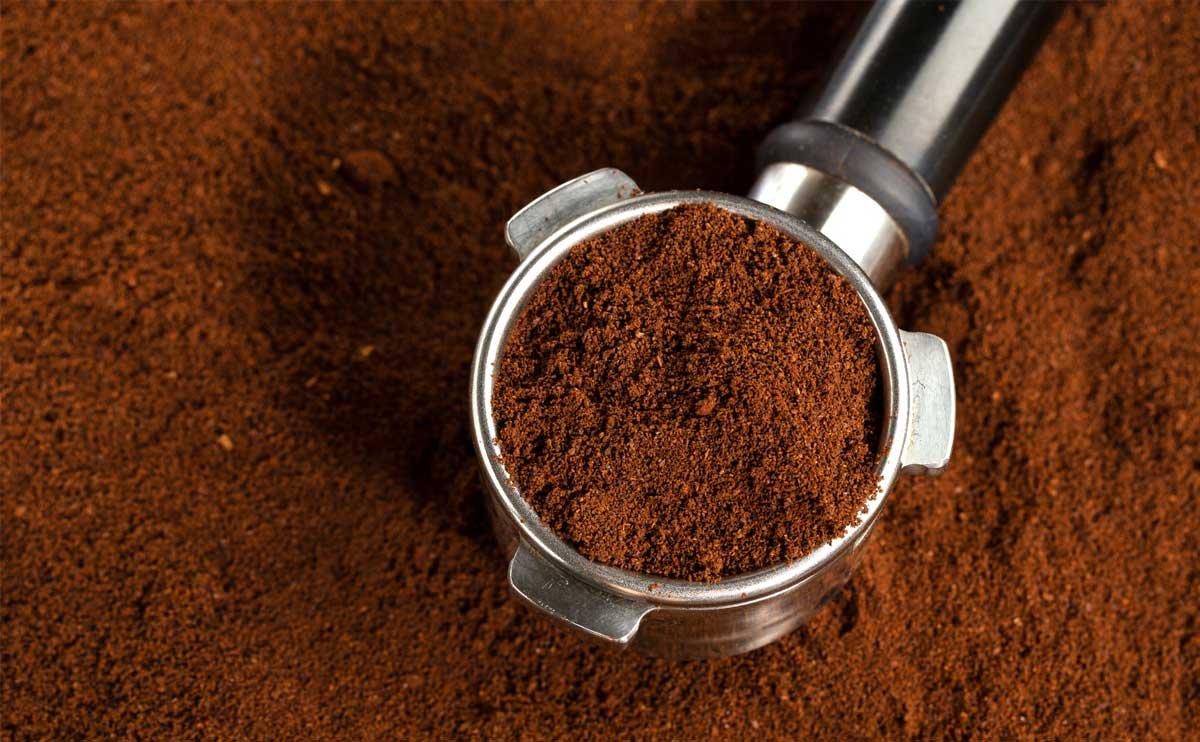
Texture: similar to table salt. Extraction is fast and concentrated.
Too fine: bitter, harsh, almost abrasive. Too coarse: weak and watery (and no crema for espresso).
V60 and pour-over/filter methods: medium
Texture: like fine sand. It balances clarity and sweetness as water flows by gravity.
Too fine: slow drawdown and bitterness. Too coarse: pale, thin cups with no story.
French press and cold brew: coarse
Texture: like coarse salt or brown sugar. Long contact time needs larger particles to avoid harshness.
Too fine in a French press: tough plunge, muddy cup, excessive bitterness and sediment.
The most common grinding mistakes
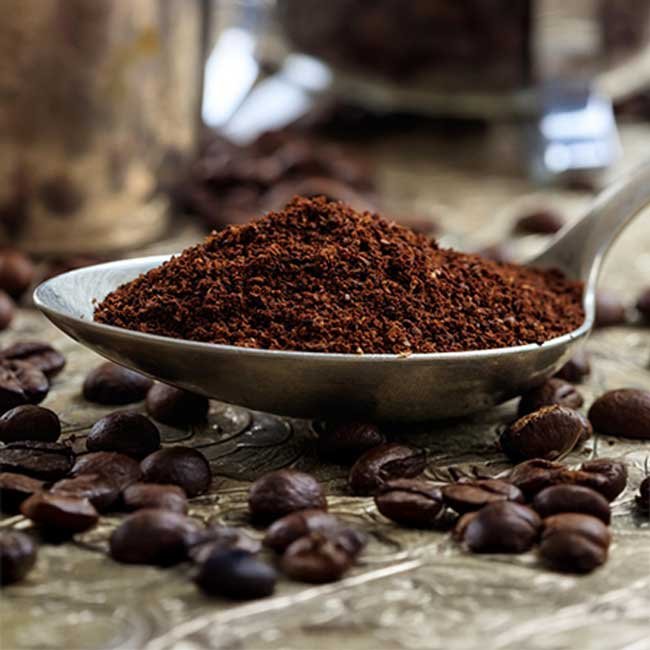
Even with great coffee, two errors ruin cups quickly:
- Too fine: bitter, heavy, astringent.
- Too coarse: watery, flat, sharp acidity.
If something tastes off, check the grinder before you blame the beans.
Grinding as a sensory bridge

Grinding is an invisible bridge: too closed and water drowns; too open and the story escapes.
At the right point, the coffee speaks—cacao, florals, ripe fruit, clear sweetness, juicy acidity, and a body that supports without overpowering.
Practical adjustments you can make today
Keep it simple:
- If your coffee tastes bitter and heavy: go slightly coarser.
- If it tastes sharp, weak, or “green”: go slightly finer.
- Don't grind the whole bag: grind right before brewing.
If you use a manual grinder, adjust clicks by method (generic examples):
- 12–14 clicks: French press.
- 8–10 clicks: V60/pour-over.
- 5–7 clicks: moka pot.
(Exact numbers vary by grinder, but “more clicks = coarser” generally holds.)
Burr vs Blade Grinders: Which Should You Use?
If you're serious about your coffee grinding guide journey, the type of grinder matters as much as the grind size.
Blade grinders chop beans unevenly, creating a mix of fine and coarse particles that makes consistent extraction nearly impossible.
Burr grinders crush beans between two surfaces, producing uniform particle sizes that give you repeatable, predictable results.
For specialty coffee, a burr grinder — even a basic manual one — is always the better choice. It doesn't need to be expensive. A simple hand grinder with ceramic burrs can dramatically improve your cup compared to any blade grinder on the market.
Closing: the invisible key to your cup
Every bean holds a universe. Grind size is the key that opens—or closes—the door. Use this coffee grinding guide to adjust your grinder, try two or three variations, and listen for what changes in the cup. Small adjustments make a big difference — one or two clicks on your grinder can shift a cup from bitter and harsh to sweet and balanced. Trust the process and keep experimenting.
Use this coffee grinding guide to adjust your grinder, try two or three variations, and listen for what changes in the cup.
Discover origins that deserve to be heard clearly — explore our Colombian single-origin coffees at Don Gildo.
Not sure which bag to choose? Read our guide to the best Colombian coffee beans to buy online, where we compare every Don Gildo coffee by flavor and process.
Taste the difference
Colombian specialty coffees, SCA-graded and roasted at origin in Colombia.